
The Role of BIM in Future Construction: Why Construction Companies Must Implement BIM Technology

The construction industry is undergoing one of the biggest transformations in its history. Traditional construction methods—based on 2D drawings, manual coordination, and reactive problem-solving—are no longer sufficient for modern projects that demand speed, accuracy, cost control, and sustainability. At the center of this transformation lies Building Information Modeling (BIM) — a technology redefining how buildings are designed, constructed, and operated. BIM is no longer optional. It is becoming the foundation of future construction. What is BIM in Construction? Building Information Modeling (BIM) is a digital process that creates an intelligent 3D model containing both geometric and non-geometric data about a building project. Unlike traditional CAD drawings, BIM integrates: • Architectural design • Structural engineering • MEP systems • Construction scheduling • Quantity takeoff & cost data • Facility management information into a single coordinated digital environment. This allows architects, engineers, contractors, and owners to collaborate efficiently using one reliable data source. Why Traditional Construction Methods Are No Longer Enough Construction projects frequently experience: • Cost overruns • Project delays • Coordination conflicts • On-site rework • Communication gaps between trades Many of these issues arise because problems are discovered during construction rather than during design. BIM changes this approach by enabling teams to simulate and coordinate projects digitally before construction begins. The Role of BIM in Future Construction 1. Digital Twin & Virtual Construction Future construction will rely on digital twins—virtual replicas of physical buildings. With BIM, construction teams can: • Visualize the entire project lifecycle • Predict risks before execution • Improve planning accuracy Projects move from trial-and-error construction to data-driven construction. 2. Clash Detection & Coordination BIM enables automatic clash detection between structural, mechanical, electrical, and plumbing systems. Benefits include: • Reduced rework • Faster execution • Improved safety • Higher construction efficiency 3. 4D BIM – Time-Based Construction Planning By linking models with project schedules, BIM introduces 4D construction planning. Contractors can: • Simulate construction sequences • Optimize manpower deployment • Identify delays before they occur 4. 5D BIM – Smart Cost Control With 5D BIM, quantities and costs update automatically from the model. Construction companies gain: • Real-time cost visibility • Accurate estimations • Better financial control • Reduced budget risks 5. Enhanced Collaboration BIM establishes a shared data environment where all stakeholders work on a coordinated model. This improves: • Communication • Decision-making speed • Project transparency • Stakeholder confidence 6. Sustainable & Smart Construction As sustainability regulations grow worldwide, BIM supports: • Energy performance analysis • Material optimization • Carbon reduction strategies • Lifecycle sustainability planning BIM plays a critical role in developing green buildings and smart cities. 7. Lifecycle & Facility Management The value of BIM continues beyond construction completion. Owners and facility managers use BIM models for: • Maintenance planning • Asset tracking • Renovation decisions • Operational efficiency BIM transforms buildings into long-term digital assets. Why Construction Companies Must Implement BIM Today ✔ Competitive Advantage Many international projects now mandate BIM compliance. Companies without BIM capabilities risk falling behind global competitors. ✔ Reduced Project Risk Digital coordination minimizes uncertainties and costly site issues. ✔ Higher Productivity Automation reduces manual work and improves engineering efficiency. ✔ Global Collaboration BIM enables construction firms to collaborate seamlessly with specialized engineering partners worldwide. How Acurabim Engineers Supports BIM Implementation Acurabim Engineers provides expert BIM services supporting contractors, consultants, and developers across international markets including the USA, UAE, Canada, and Europe. Our BIM expertise includes: • BIM Modeling (LOD 100–500) • MEP Coordination & Clash Detection • Scan to BIM Services • Construction Documentation • 4D & 5D BIM Solutions • Dedicated BIM Engineering Support At Acurabim Engineers, we help construction companies’ transition from traditional workflows to fully coordinated digital construction environments—improving project efficiency, reducing risk, and enabling smarter project delivery. The Future: BIM + AI + Automation The next evolution of construction combines: • Building Information Modeling (BIM) • Artificial Intelligence • Digital Twins • IoT Integration • Predictive Maintenance • Smart Infrastructure Management Construction companies adopting BIM today are preparing for AI-driven construction ecosystems tomorrow. Conclusion Building Information Modeling is transforming construction from a reactive industry into a predictive, collaborative, and data-driven process. Organizations implementing BIM gain: • Better project control • Faster delivery • Cost optimization • Improved collaboration • Long-term competitive advantage In the future of construction, companies will build digitally before building physically. Partnering with experienced BIM service providers like Acurabim Engineers enables construction firms to confidently move toward this digital future.

The construction industry is undergoing one of the biggest transformations in its history. Traditional construction methods—based on 2D drawings, manual coordination, and reactive problem-solving—are no longer sufficient for modern projects that demand speed, accuracy, cost control, and sustainability.

At the center of this transformation lies Building Information Modeling (BIM) — a technology redefining how buildings are designed, constructed, and operated.

BIM is no longer optional. It is becoming the foundation of future construction.

What is BIM in Construction?

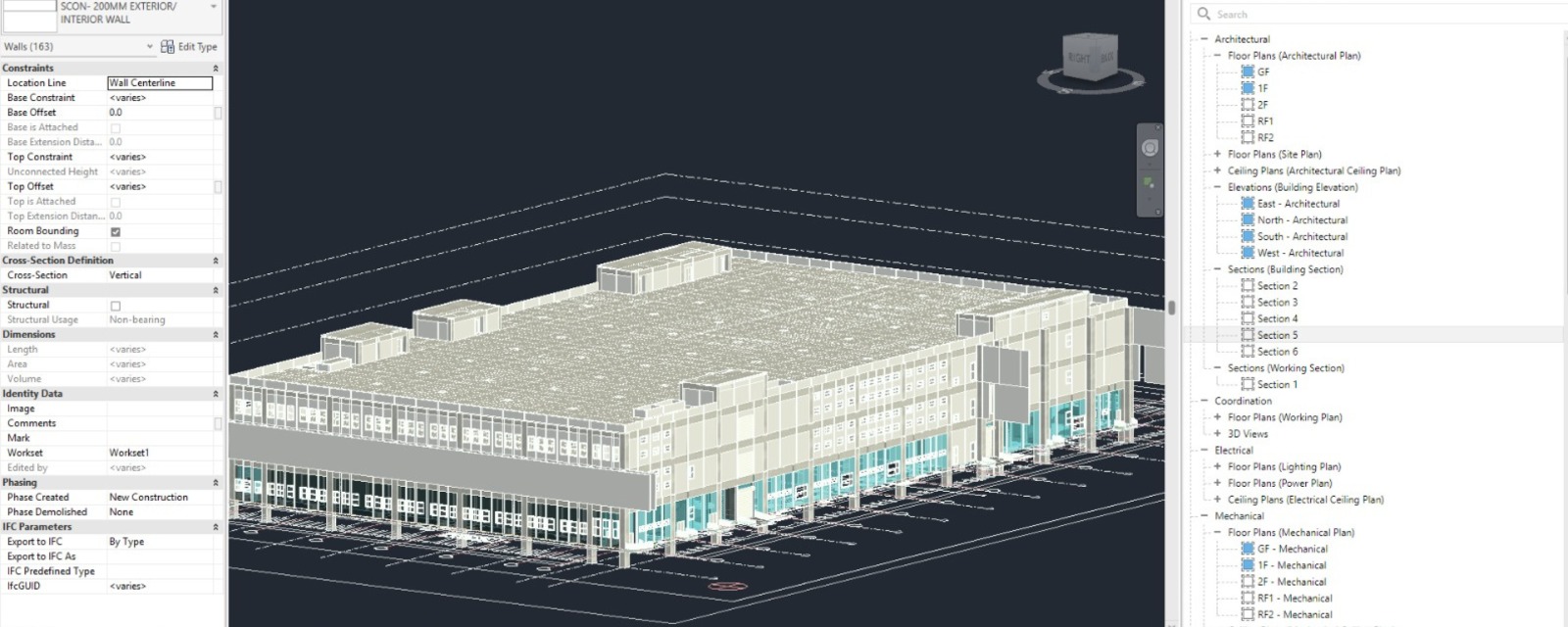
Building Information Modeling (BIM) is a digital process that creates an intelligent 3D model containing both geometric and non-geometric data about a building project.

Unlike traditional CAD drawings, BIM integrates:

    • Architectural design

    • Structural engineering

    • MEP systems

    • Construction scheduling

    • Quantity takeoff & cost data

    • Facility management information

into a single coordinated digital environment.

This allows architects, engineers, contractors, and owners to collaborate efficiently using one reliable data source.

Why Traditional Construction Methods Are No Longer Enough

Construction projects frequently experience:

    • Cost overruns
    • Project delays

    • Coordination conflicts
    • On-site rework
    • Communication gaps between trades

Many of these issues arise because problems are discovered during construction rather than during design.

BIM changes this approach by enabling teams to simulate and coordinate projects digitally before construction begins.

The Role of BIM in Future Construction

1. Digital Twin & Virtual Construction

Future construction will rely on digital twins—virtual replicas of physical buildings.

With BIM, construction teams can:

    • Visualize the entire project lifecycle
    • Predict risks before execution
    • Improve planning accuracy

Projects move from trial-and-error construction to data-driven construction.

2. Clash Detection & Coordination

BIM enables automatic clash detection between structural, mechanical, electrical, and plumbing systems.

Benefits include:

    • Reduced rework
    • Faster execution
    • Improved safety
    • Higher construction efficiency

3. 4D BIM – Time-Based Construction Planning

By linking models with project schedules, BIM introduces 4D construction planning.

Contractors can:

    • Simulate construction sequences

    • Optimize manpower deployment

    • Identify delays before they occur

4. 5D BIM – Smart Cost Control

With 5D BIM, quantities and costs update automatically from the model.

Construction companies gain:

    • Real-time cost visibility

    • Accurate estimations

    • Better financial control

    • Reduced budget risks

5. Enhanced Collaboration

BIM establishes a shared data environment where all stakeholders work on a coordinated model.

This improves:

    • Communication

    • Decision-making speed

    • Project transparency

    • Stakeholder confidence

6. Sustainable & Smart Construction

As sustainability regulations grow worldwide, BIM supports:

    • Energy performance analysis

    • Material optimization

    • Carbon reduction strategies

    • Lifecycle sustainability planning

BIM plays a critical role in developing green buildings and smart cities.

7. Lifecycle & Facility Management

The value of BIM continues beyond construction completion.

Owners and facility managers use BIM models for:

    • Maintenance planning

    • Asset tracking

    • Renovation decisions

    • Operational efficiency

BIM transforms buildings into long-term digital assets.

Why Construction Companies Must Implement BIM Today

✔ Competitive Advantage

Many international projects now mandate BIM compliance. Companies without BIM capabilities risk falling behind global competitors.

✔ Reduced Project Risk

Digital coordination minimizes uncertainties and costly site issues.

✔ Higher Productivity

Automation reduces manual work and improves engineering efficiency.

✔ Global Collaboration

BIM enables construction firms to collaborate seamlessly with specialized engineering partners worldwide.

How Acurabim Engineers Supports BIM Implementation

Acurabim Engineers provides expert BIM services supporting contractors, consultants, and developers across international markets including the USA, UAE, Canada, and Europe.

Our BIM expertise includes:

    • BIM Modeling (LOD 100–500)

    • MEP Coordination & Clash Detection

    • Scan to BIM Services

    • Construction Documentation

    • 4D & 5D BIM Solutions

    • Dedicated BIM Engineering Support

At Acurabim Engineers, we help construction companies’ transition from traditional workflows to fully coordinated digital construction environments—improving project efficiency, reducing risk, and enabling smarter project delivery.

The Future: BIM + AI + Automation

The next evolution of construction combines:

    • Building Information Modeling (BIM)

    • Artificial Intelligence

    • Digital Twins

    • IoT Integration

    • Predictive Maintenance

    • Smart Infrastructure Management

Construction companies adopting BIM today are preparing for AI-driven construction ecosystems tomorrow.

 Conclusion

Building Information Modeling is transforming construction from a reactive industry into a predictive, collaborative, and data-driven process.

Organizations implementing BIM gain:

    • Better project control

    • Faster delivery

    • Cost optimization

    • Improved collaboration

    • Long-term competitive advantage

In the future of construction, companies will build digitally before building physically.

Partnering with experienced BIM service providers like Acurabim Engineers enables construction firms to confidently move toward this digital future.