Introduction
The landscape of the American construction industry is undergoing a seismic shift. As urban environments become more complex and sustainability requirements more stringent, traditional 2D drafting is no longer sufficient. Today, BIM Architectural Services in the USA have become the backbone of successful project delivery, offering a digital gateway to “next-level” building design.
At Acura BIM, we recognize that Building Information Modeling (BIM) is not just a software tool—it is a collaborative process that integrates insights, data, and geometry to create smarter structures. Whether you are an architect in New York or a developer in California, leveraging high-quality BIM services is the key to staying competitive in a fast-evolving market.
The Evolution of Architectural Design: Why BIM is Non-Negotiable
For decades, the AEC industry relied on CAD (Computer-Aided Design). While CAD digitized the drawing board, it lacked the intelligence required for modern coordination. BIM has stepped into this void, providing a 3D data-rich environment where every element—from a brick to a HVAC duct—carries functional and physical characteristics.
The demand for BIM Architectural Services in the USA is driven by the need for precision. In a country where construction delays can cost millions, the ability to “build twice”—first virtually and then physically—is an invaluable asset.
1. The Core Components of BIM Architectural Services in the USA
When we talk about next-level design, we are referring to a holistic approach to building. Our services encompass several critical stages that ensure a project’s lifecycle is managed efficiently.
Architectural 3D Modeling
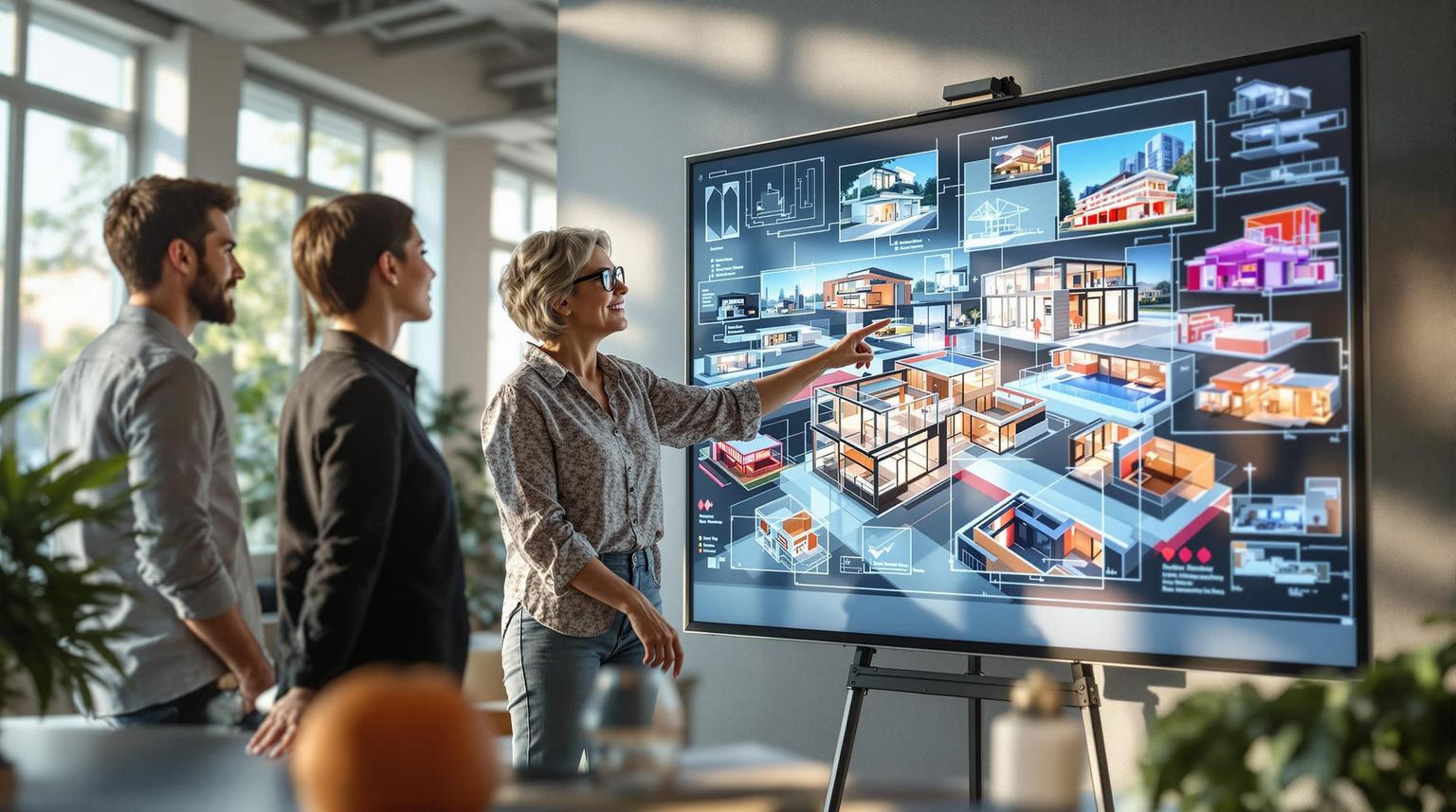
The transition from 2D sketches to 3D BIM models allows stakeholders to visualize the spatial constraints and aesthetic appeal of a building long before groundbreaking. This is the foundation of our Architectural BIM Services, where we create high-LOD (Level of Development) models that serve as a single source of truth.
Clash Detection and Coordination
One of the most significant advantages of BIM is the ability to identify “clashes” between architectural elements and MEP (Mechanical, Electrical, Plumbing) systems. By resolving these conflicts in the digital phase, US firms can save up to 20% in total construction costs.
Scan to BIM Services
For renovation and historical preservation projects across the USA, Scan to BIM Services are essential. We convert point cloud data from laser scans into accurate BIM models, ensuring that the existing conditions of a site are perfectly captured.
2. How BIM Architectural Services in the USA Enhance Project Efficiency
Efficiency in construction is often measured by three metrics: time, cost, and quality. Here is how advanced BIM workflows optimize all three:
Optimizing Design with BIM Architectural Services in the USA
Next-level design involves parametric modeling. This means if you change the height of a window in the 3D model, the schedules, elevations, and sections update automatically. This automation reduces human error and allows architects to focus on creativity rather than tedious manual drafting.
Sustainability and Energy Analysis
The USA is seeing a massive push toward “Green Building” standards like LEED. BIM allows for integrated energy modeling. We can simulate sunlight, thermal performance, and airflow, ensuring that the “Next-Level Building Design” is also an environmentally responsible one. According to the U.S. Green Building Council (USGBC), data-driven design is pivotal for achieving net-zero goals.
3. The Impact of BIM on the American AEC Industry
The adoption of BIM in the United States has been bolstered by various government mandates and industry standards. Large-scale infrastructure projects and high-rise commercial developments now mandate BIM for better transparency.
Collaboration Across Time Zones
With teams often spread across different states, cloud-based BIM platforms (like BIM 360) allow for real-time collaboration. This synergy is a hallmark of BIM Architectural Services in the USA, ensuring that the structural engineer in Texas and the architect in Chicago are always on the same page.
Construction Documentation (CD) Sets
High-quality BIM Construction Documentation is the final output that contractors use on-site. Precision here is non-negotiable. Our BIM workflows ensure that every detail, from material specifications to joinery, is accurately documented to prevent on-site rework.
4. Advanced Visualizations and Next-Level Building Design
Gone are the days of static renders. Today’s BIM services offer immersive experiences.
-
- Virtual Reality (VR) & Augmented Reality (AR): Clients can walk through their future office or home using VR headsets synced with the BIM model.
-
- 4D and 5D BIM: Beyond geometry, we integrate time (4D scheduling) and cost (5D estimating) into the model. This allows developers to see the construction progress and budget spend in a visual timeline.
For complex structural requirements, our Structural BIM Services ensure that the “bones” of the building are as sophisticated as its skin.
5. Overcoming Challenges with Professional BIM Implementation
While the benefits are clear, many US-based firms struggle with the initial overhead of BIM—software costs, hardware requirements, and the steep learning curve. This is where Acura BIM steps in. By outsourcing to experts, firms can access top-tier technology and expertise without the capital expenditure.
Standardization and Interoperability
Using Industry Foundation Classes (IFC) and adhering to National BIM Standards (NBIMS-US™) ensures that the data we create is usable across all software platforms and project phases. You can learn more about these standards at the National Institute of Building Sciences.
6. The Future: AI and Digital Twins in US Architecture
The “Next-Level” doesn’t stop at 3D. The future of BIM Architectural Services in the USA lies in Digital Twins. A Digital Twin is a living BIM model that stays active after construction, connected to IoT sensors within the building. This allows facility managers to monitor building health in real-time, predicting maintenance needs before they become costly repairs.
Conclusion: Partnering for Success with Acura BIM
In a competitive market, your choice of a BIM partner can make or break a project. BIM Architectural Services in the USA are no longer a luxury—they are a prerequisite for any firm aiming for “Next-Level Building Design.” At Acura BIM, we combine technical prowess with a deep understanding of US building codes and construction practices to deliver excellence.
Ready to elevate your next project? Let’s build the future together.
Q&A: Frequently Asked Questions
Q1: What are the primary benefits of using BIM Architectural Services in the USA?
The primary benefits include reduced construction costs through clash detection, faster project delivery, improved visualization for stakeholders, and high-accuracy construction documentation.
Q2: What Level of Development (LOD) do you provide?
We provide BIM services ranging from LOD 100 (Conceptual) to LOD 500 (As-Built/Facilities Management), depending on the specific needs of the project.
Q3: How does BIM help in renovation projects?
Through Scan to BIM services, we use laser scanning to create a precise digital replica of the existing structure, which allows architects to design renovations with perfect accuracy.
Q4: Is BIM only for large-scale commercial projects?
Not at all. While BIM is standard for large projects, its benefits in waste reduction and accuracy are equally valuable for residential and small-scale commercial developments.
Q5: How does Acura BIM ensure data security?
We use secure, encrypted cloud environments and follow strict data handling protocols to ensure that all project intellectual property is protected throughout the design process.
Q6: Can BIM assist in achieving LEED certification?
Yes, BIM models allow for detailed energy analysis, daylighting studies, and material tracking, all of which are critical components for earning LEED points and achieving sustainability goals.
